Climate change
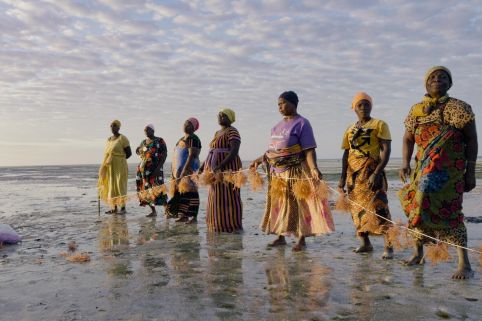
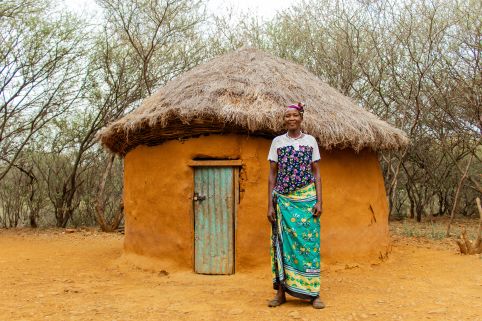
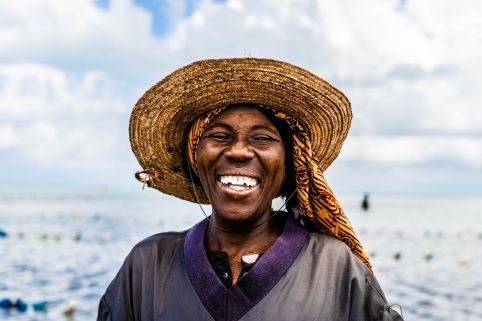
Climate change has devastating impacts for the poorest people in the world, adversely impacting women and girls.
Extreme patterns of weather - caused by rising global temperatures - are destroying livelihoods and displacing millions of communities from their homes. This often leads to women and girls being pushed further into poverty as they often have fewer rights and less access to land than men.
Find out more about how ActionAid is working around the world to help women and girls prepare for and adapt to the effects of climate change.
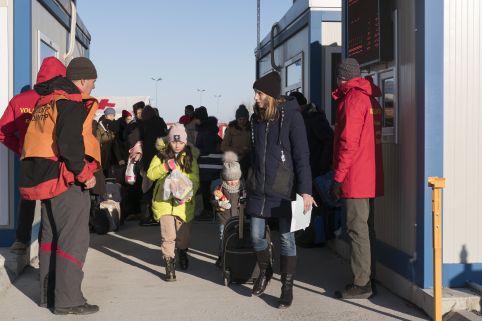
Why ActionAid works on climate change
Unpredictable seasons, rising sea levels and erratic rainfall, which contribute to floods, droughts and crop failures, mean that millions of people - who are already struggling to survive - are finding it even more difficult to grow food, get clean water and access shelter.
The poorer people are, the harder it is to recover from failed harvests, destroyed homes, water scarcity and deepening health crises.
The right to adequate food, water, health and housing are basic human rights.1 This is why ActionAid works with women, girls and communities across the world to not only help alleviate the effects of climate change but also fight for climate justice through research, campaigning and advocacy.
From providing sustainable farming solutions to lobbying governments to end harmful development practices that drive climate change, we're working every day to end climate-driven poverty.
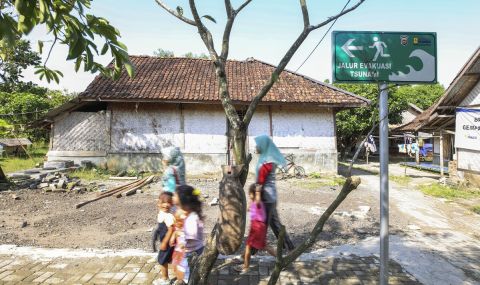
What is the relationship between climate change and poverty?
Changes in rainfall, rising sea levels, and extreme climate events are disruptive and affect the homes and livelihoods of people around the world.
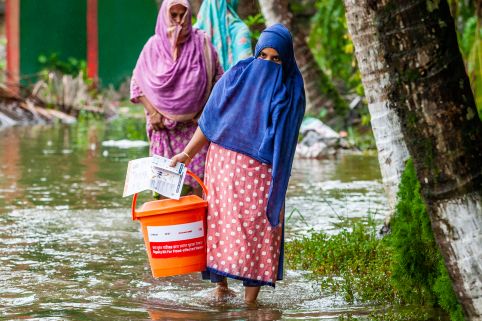
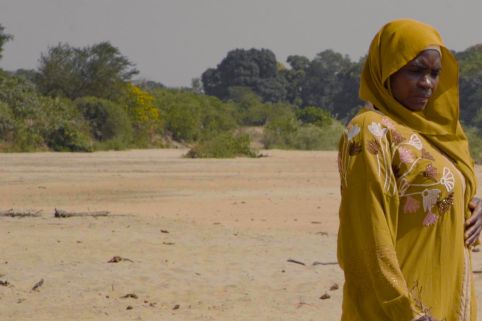
From the drought in Somaliland to flooding in Bangladesh, climate-change related crises are increasing death, displacement, hunger and unemployment.
70% of the world’s poor depend on natural resources like land for their food and livelihood. Over 1.3 billion people in the global south are relying on agricultural land that is slowly degrading.2
Long-term changes in climate can cause droughts, floods and increase the salt in soil, which affect water supply, farming crops and rearing animals. This affects food production, spread of disease and displacement of communities.
The poorer people are, the harder it is for them to recover from failed harvests, destroyed homes, dwindling water supplies and deepening heath crises.
Not only that but farmers in developing countries have limited options for alternative ways to produce their food and income and are often excluded from wider economic development.
How does climate change affect women and girls?
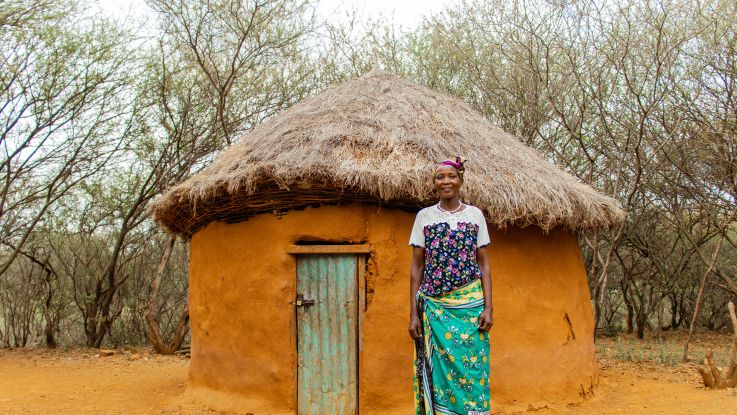
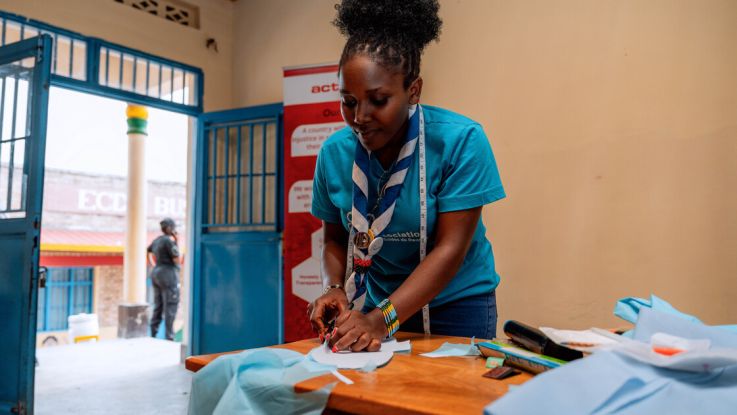
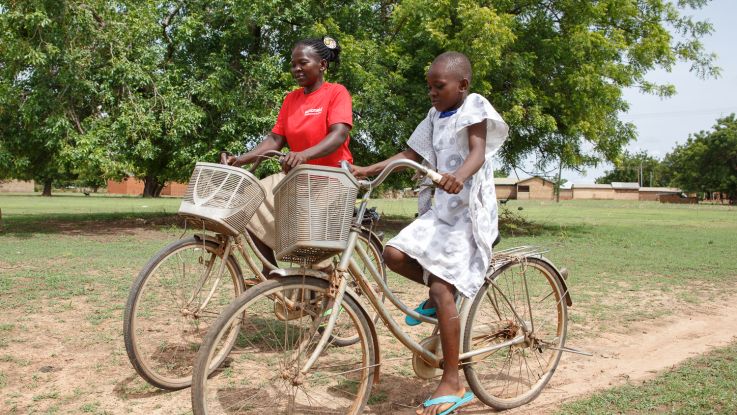
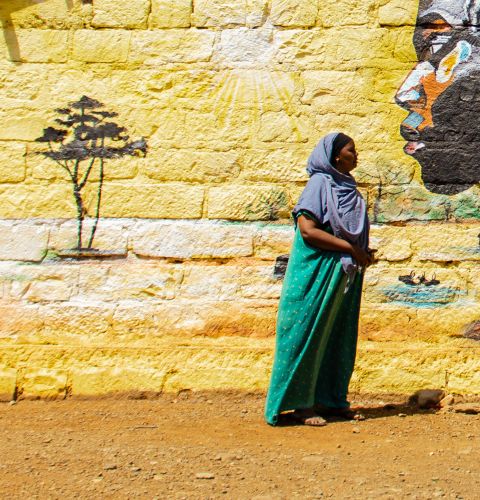
Women and girls are disproportionately affected by climate change, due in large part to existing gender inequalities and social roles. They often have fewer rights and less access to land and resources than men, leaving them more vulnerable to poverty, displacement and other forms of insecurity. Yet women are not only among those most affected by the climate crisis; they are also at the forefront of developing and leading climate solutions and play a vital role in shaping effective responses to climate-related crises.
70% of the 1.2 billion people, suffering from hunger in the world, are women and girls.3
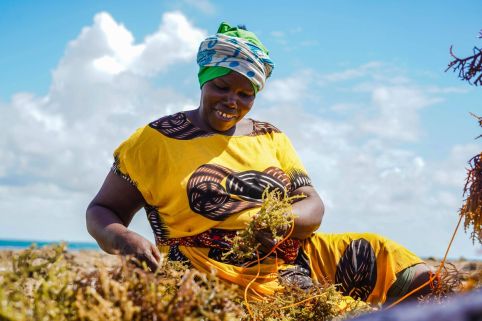
Most of the world’s estimated 1 billion rural women rely on agriculture or natural resources for their livelihoods.4 This dependency on land and farming makes them vulnerable to the impacts of climate change.
When climate change forces women and girls from their homes, they face heightened risks of violence, exploitation and early marriage. Future climate-related disasters are inevitable and will drive women and girls even further into poverty.
Read more about how climate-change related events are affecting women and girls around the world.
ActionAid's work taking action on climate change
For many years, ActionAid has worked with communities to strengthen their resilience to climate change. We support developing countries to cope with climate impacts and transition to greener pathways.
Across the world, we support hundreds of thousands of people who rely on farming for income and food. Through innovative farming methods and tools like table gardening, salt-resistant seeds and climate-resilient livestock, we help communities adapt to erratic weather patterns. We also look for sustainable solutions in all aspects of our work.
Demanding climate justice
ActionAid is calling on governments and the United Nations to put in place policies and actions that protect citizens from climate change impacts and to end harmful development models that are driving dangerous climate change.
We are working towards climate justice and recognise the responsibility of wealthy countries in leading rapid climate action.
Footnotes
- 1International Covenant on Economic, Social and Cultural Rights". www.refworld.org.
- 2https://www.un.org/development/desa/dspd/wp-content/uploads/sites/22/2018/05/9.pdf
- 3https://www.un.org/development/desa/dspd/wp-content/uploads/sites/22/2018/05/9.pdf
- 4https://www.un.org/development/desa/dspd/wp-content/uploads/sites/22/2018/05/9.pdf
- 5https://www.unwomen.org/en/articles/explainer/how-gender-inequality-and-climate-change-are-interconnected
- 6Calculated by WEN from Aguilar, L. (2004) Climate change and disaster mitigation. Gender makes the difference. Gland: IUCN; and Global Humanitarian Forum (2009) Human Impact Report. Anatomy of a silent crisis. Geneva: Global Humanitarian Forum
Page updated 28 August 2026